Tracks before taxonomy
The guide begins with marks, drafts, smells, misplaced coins, and broken routine. Naming a creature comes later, after the place has explained itself.
current field card
Across Monster treats the border as a living instrument: a lane at dusk, a scratched gate, a ferry ramp, a hotel corridor that seems longer on the return. The site collects fictional field methods for recognizing these thresholds, reading creature signs, and writing routes that feel old enough to have rules. It is built like a naturalist notebook, but the specimens are rumors, warnings, maps, and the social manners of beings that prefer not to be stared at directly.
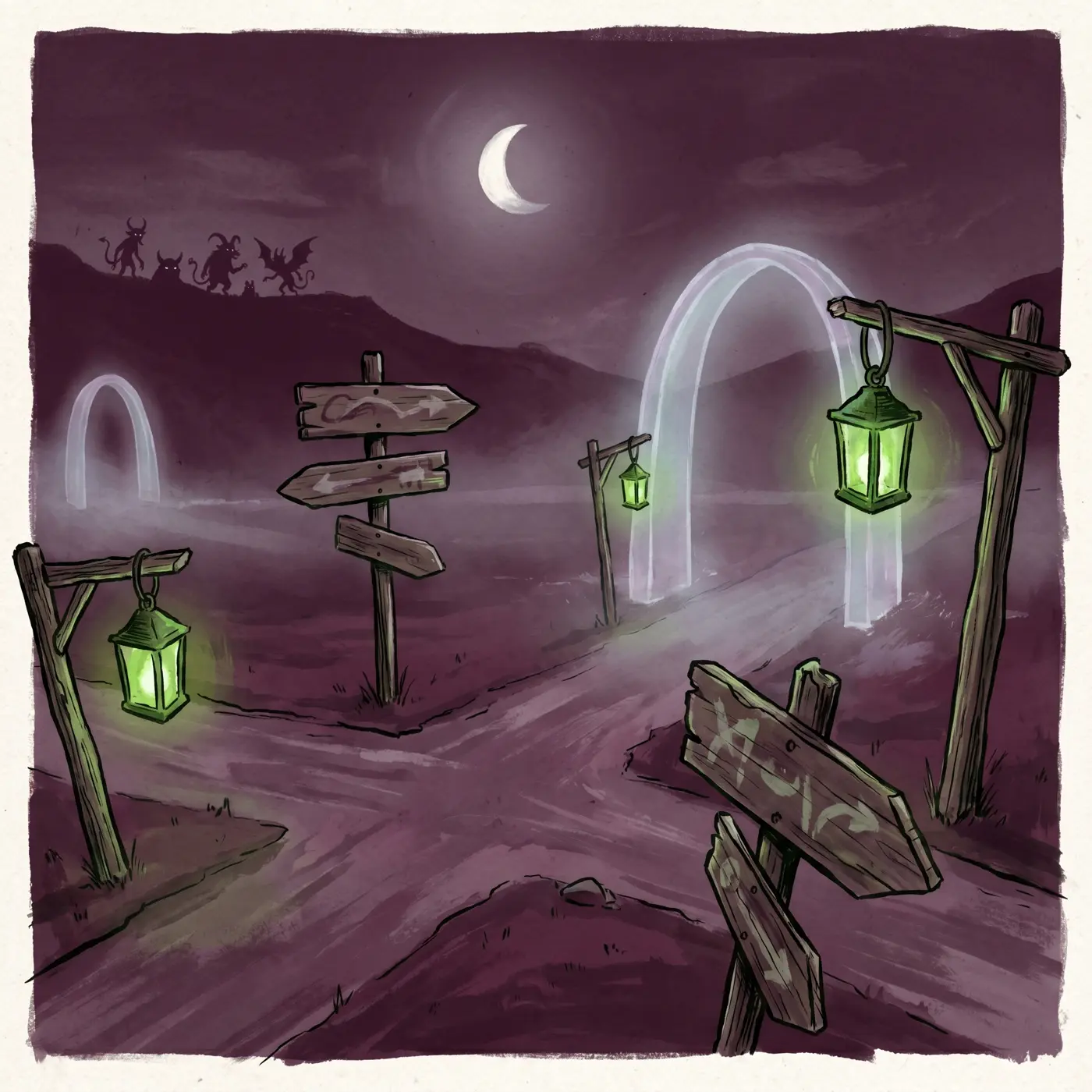
A monster crossing is not a jump scare. It is a place where ordinary behavior gets revised: voices lower, a shortcut becomes formal, and small objects begin to matter. Across Monster describes each route through four lenses. The first is terrain, because mud, brick, snow, tile, and water all keep different records. The second is timing, since some beings only honor a road when light is changing. The third is etiquette, the practical question of where to stand, what to carry, and when silence is safer than greeting. The fourth is narrative use: how a crossing can support a story without flattening the creature into a prop. This makes the site useful for writers, tabletop hosts, artists, and readers who enjoy folklore as a set of working instructions.
Hedge gaps
Look for bent grass, warm stones, and the sudden absence of birdsong.
Bridge middles
Never bargain while standing exactly between two banks.
Station edges
A train platform at closing time is a door pretending to be pavement.
Market alleys
If the shutters close in the wrong order, wait for the second bell.
The guide begins with marks, drafts, smells, misplaced coins, and broken routine. Naming a creature comes later, after the place has explained itself.
Salt, thread, lanterns, and polite questions are treated as navigation tools. Their value is consistency, not spectacle.
The best field note may be the one that leaves the creature uncornered. A good observer knows when the map has enough.
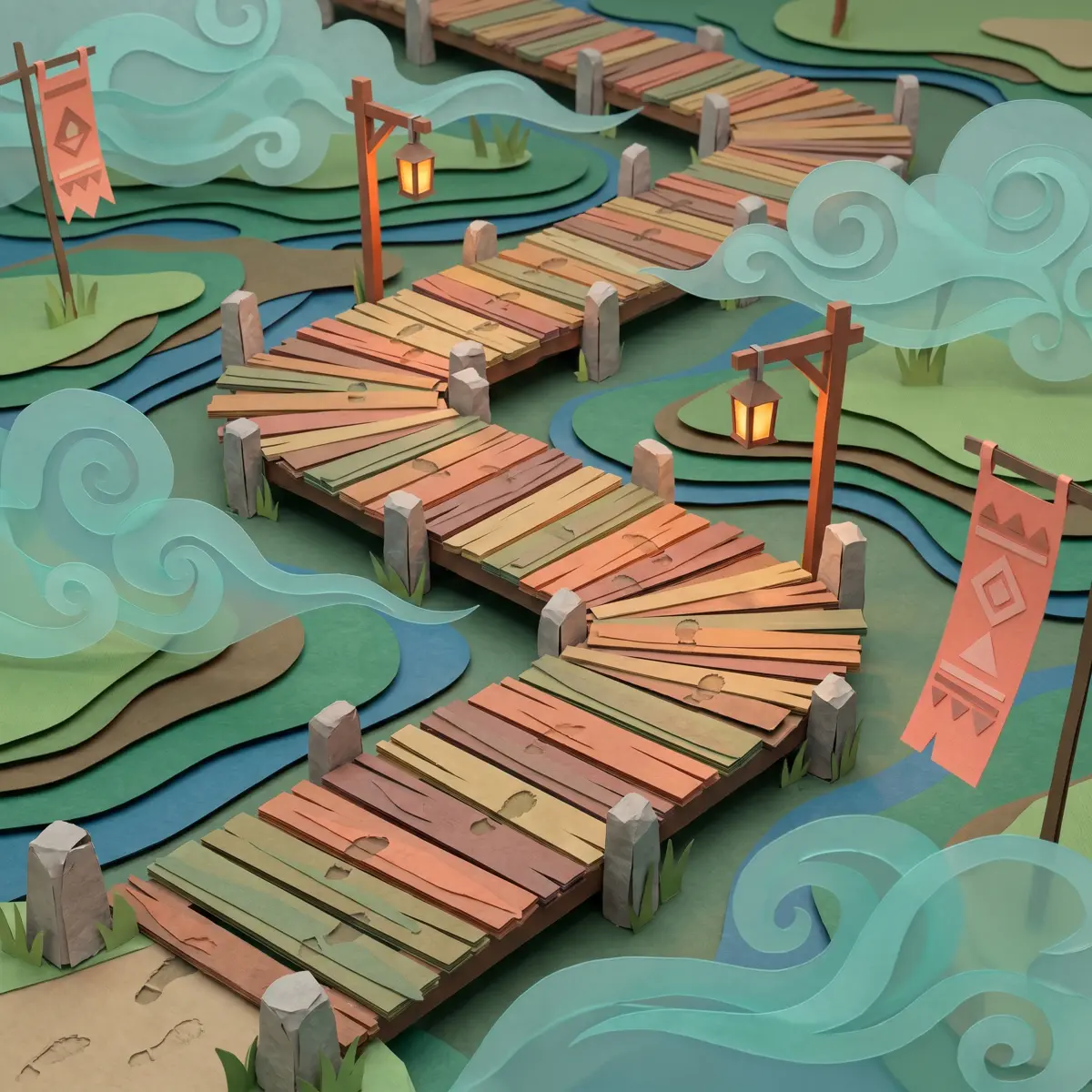
The most important entry in any monster map is the blank one. Across Monster keeps refusal in the guide: roads to leave alone, doors that deserve no test, names that should remain descriptive rather than possessive. This editorial habit gives the archive its tone. Curiosity is welcome, but it travels with manners. Wonder is stronger when it admits that some thresholds are only meant to be noticed from the public side of the fence.