The weather line
Begin with weather even indoors. Drafts, heat pockets, and dry dust often reveal the direction of a crossing before tracks do.
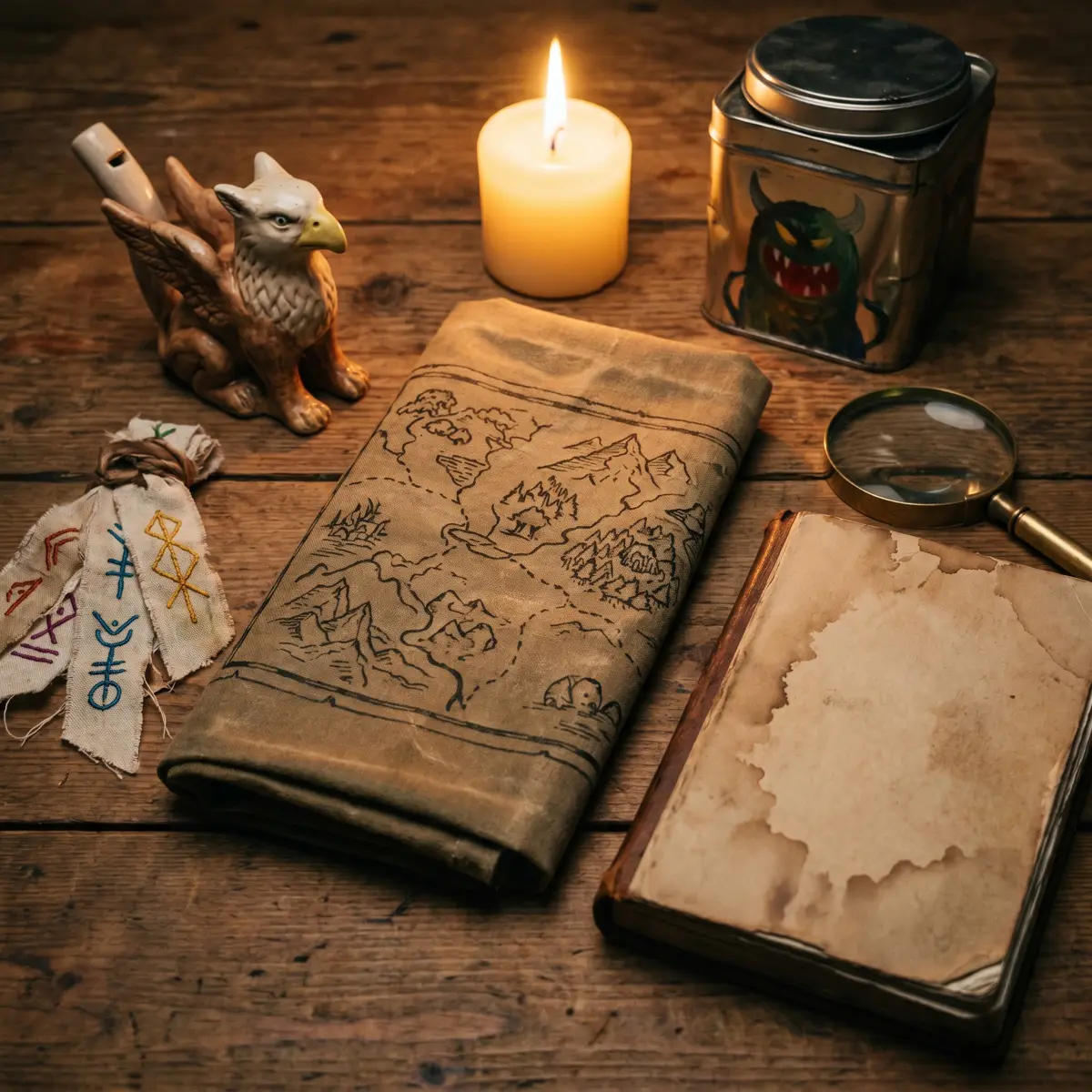
field notes
A useful monster note begins with conditions. What was the air doing? Which sound stopped first? Did anyone else change pace? What object suddenly felt too bright, too heavy, or too familiar? Across Monster encourages observers to record the route before naming the being because place is harder to exaggerate. A creature can become larger with every retelling, but a puddle, a clock, a stair count, or a streetlamp keeps the scene accountable.
The best notes also leave room for dignity. They do not chase a private creature into the center of the page. They describe distance, consent, and limits. That makes the archive richer for artists and writers: the monster remains a neighbor of the landscape, not a trophy. In practice, a field note should include an entry time, exit point, ordinary witness detail, suspected threshold, and one unresolved question that should stay unresolved until the next visit.
Begin with weather even indoors. Drafts, heat pockets, and dry dust often reveal the direction of a crossing before tracks do.
Record ordinary witnesses without turning them into proof. A cashier looking up at the wrong bell can be enough.
End with how the route released you. A clean exit is more valuable than a dramatic sighting.